
Site Hits: 36,303,677
Site Hits: 36,303,677







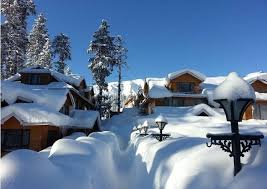


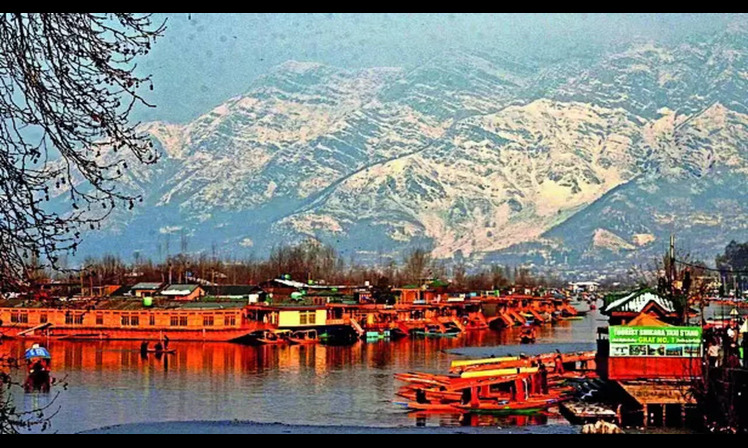
Image Source: Agencies
The Kashmir Valley should have been getting ready for the arrival of its busiest travel season, when tourists from all over the world flock to its snow-capped mountains, lush meadows, and serene rivers, with spring already in full bloom and summer on the horizon. In addition, the renowned 38-day Amarnath Yatra, which is set to start in July, attracts thousands of Hindu devotees who travel through Pahalgam and Baltal, suffering from hunger, pain, and exhaustion due to the harsh weather, in order to reach the sacred cave shrine of Lord Shiva in Jammu and Kashmir.
The tourism industry in Kashmir has been gradually and optimistically recovering over the past few years. The region finally started to experience some kind of normalcy after decades of conflict, border skirmishes, curfews, threats from militants, and the disruptive lockdowns of the COVID-19 era. About 1.88 crore visitors visited Kashmir in 2022; that number rose to 2.11 crore in 2023 and an astounding 2.35 crore in 2024. These numbers demonstrated the continued appeal of Kashmir's natural beauty and cultural diversity and signaled a stunning comeback.
Much of that hard-won progress could be undone by the tragic atrocity in Pahalgam. The survivors have shared heartbreaking stories. According to reports, one wife witnessed her husband being shot when militants demanded that he disclose his religion. National indignation and worldwide worry have been sparked by these unsettling photos from a location that represents friendliness and tranquility.
This is not only the first time that Pahalgam has witnessed acts of terror. Previously, at the Nunwan base camp in August 2000, terrorists killed 32 persons, including 24 Hindu pilgrims. Fifteen people were killed when militants attacked the Sheshnag camp before morning on July 20, 2001. Eleven Yatris were slain at the Chandanwari Base Camp in 2002. Additionally, eight pilgrims were slain in an ambush in 2017.
For Kashmiris, this is a moral and emotional pain in addition to an economic tragedy. The area takes great pleasure in its long-standing custom of "mehmaannawazi," or generous hospitality. Many residents are saddened and ashamed that tourists were singled out while in their care. The prospect of cancelled reservations, financial collapse, and increased isolation looms big for everyone from hoteliers and handcraft artists to ponywallahs and shikara owners.











Leave a comment: (Your email will not be published)